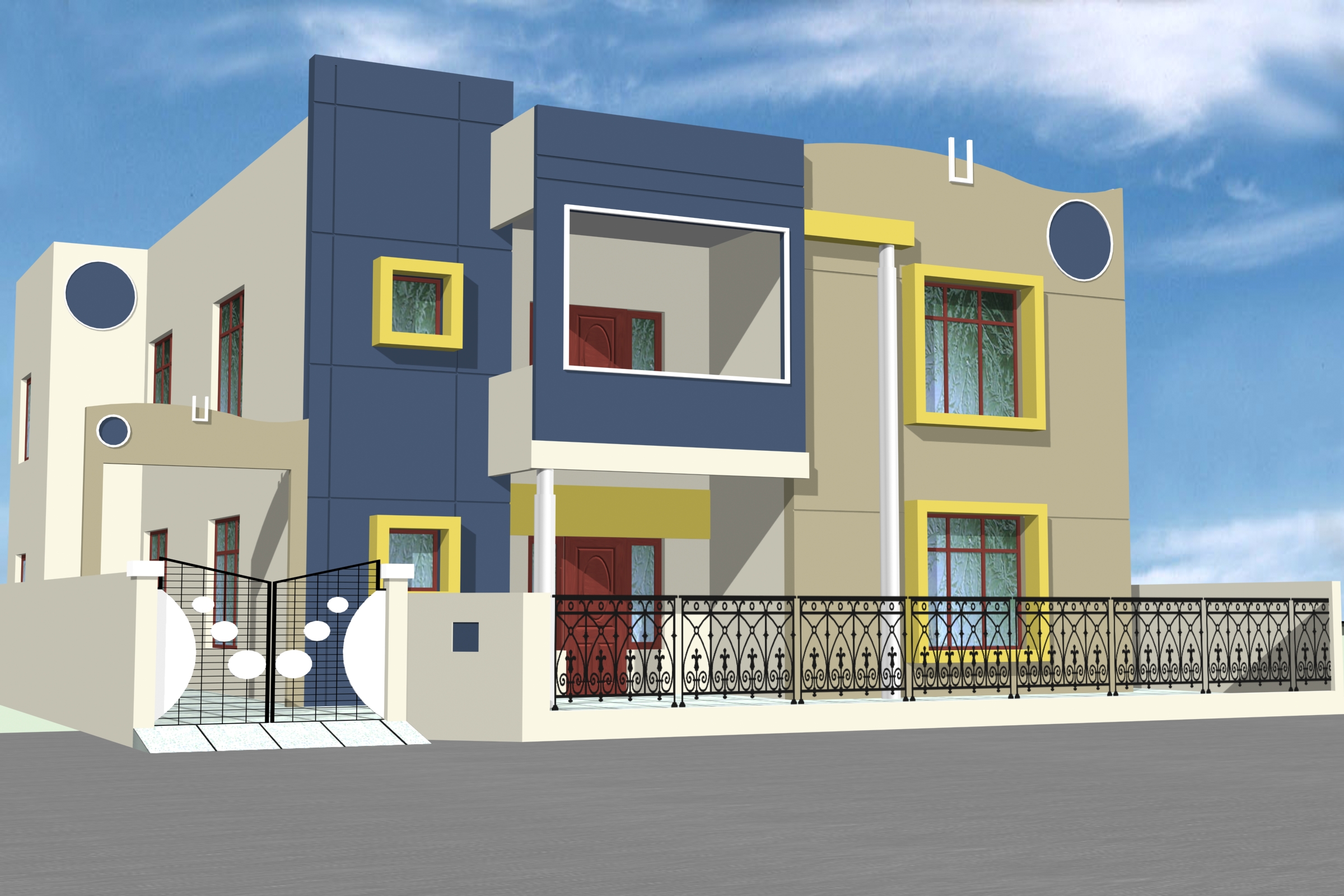
- A brief overview of what Revit is and what participants can expect to learn.
- Learning Objectives: Specific goals or outcomes participants will achieve by the end of the course.
- Course Duration: Total hours or weeks the course will take.
- Target Audience: Who the course is designed for (e.g., architects, engineers, designers, etc.).
- Prerequisites: Any prior knowledge or skills required to enroll in the course.
- Course Content: A breakdown of the topics covered in the course, which may include:
- Introduction to Revit
- User interface and navigation
- Creating and modifying architectural elements
- Working with views and sheets
- Collaborating with others using Revit
- Advanced topics like families, schedules, and rendering
- Teaching Methods: How the course will be delivered (e.g., lectures, hands-on exercises, projects).
- Assessment: How participants' progress will be evaluated (e.g., quizzes, assignments, final project).
- Resources: Any textbooks, software requirements, or additional materials needed for the course.
- Certification: If applicable, details about any certification or accreditation participants can earn upon completion.
- Instructor Information: Background information on the instructor(s) teaching the course.
- Cost and Enrollment: Fees associated with the course and instructions for enrolling.
